From the Like to the Sale: What Type of Content Actually Works for a Pizzeria
March 30, 2026
By Sofia Arango, Latinos en Pizza
Social media has conditioned us to believe that success has to look like a perfectly produced show: influencers displaying unrealistic lifestyles, videos edited down to the millisecond, and content designed to capture attention within seconds. So when it comes time to promote a restaurant, many people assume they need an expensive camera and a carefully manufactured image to compete.
But in the pizza world, at least, things seem to work differently.
And that perception appears to be supported by recent studies on digital behavior and food consumption. A report from Morning Consult on Gen Z habits found that younger consumers respond more strongly to authentic, relatable, and entertaining content than to overly produced or aesthetically perfect posts.
But if perfect photos are not necessarily what sells the most, then what is actually the best way to promote a pizzeria?
And even more importantly: how do we translate that into sales?
Because in the end, a post with limited reach that brings real customers into your business is far more valuable than a viral post with thousands of likes and shares. One thing is generating attention. Something entirely different is turning that attention into customers.
In many cases, authentic content reduces the distance between the customer and the restaurant. When people can clearly see the product, the environment, and the process behind the food, it becomes easier for them to trust what they are buying and decide to visit the business. Especially for small and independent pizzerias, that trust can translate directly into repeat customers, recommendations, and stronger local recognition.
And what better way to explore this subject than by speaking directly with people who have spent years in the business, creating content for their pizzerias day after day? Some manage their social media on their own. Others work with photographers, community managers, or creative teams to optimize their posts. But regardless of the size of the operation, they all seemed to agree on one thing: there appears to be a type of content that performs better for their businesses.
And that’s where the common patterns started to emerge.
Antonio Portillo from Pizza Factory in San Miguel, El Salvador, who has managed his restaurant’s social media organically from the very beginning, believes the most effective content is not necessarily the most produced, but the most authentic:
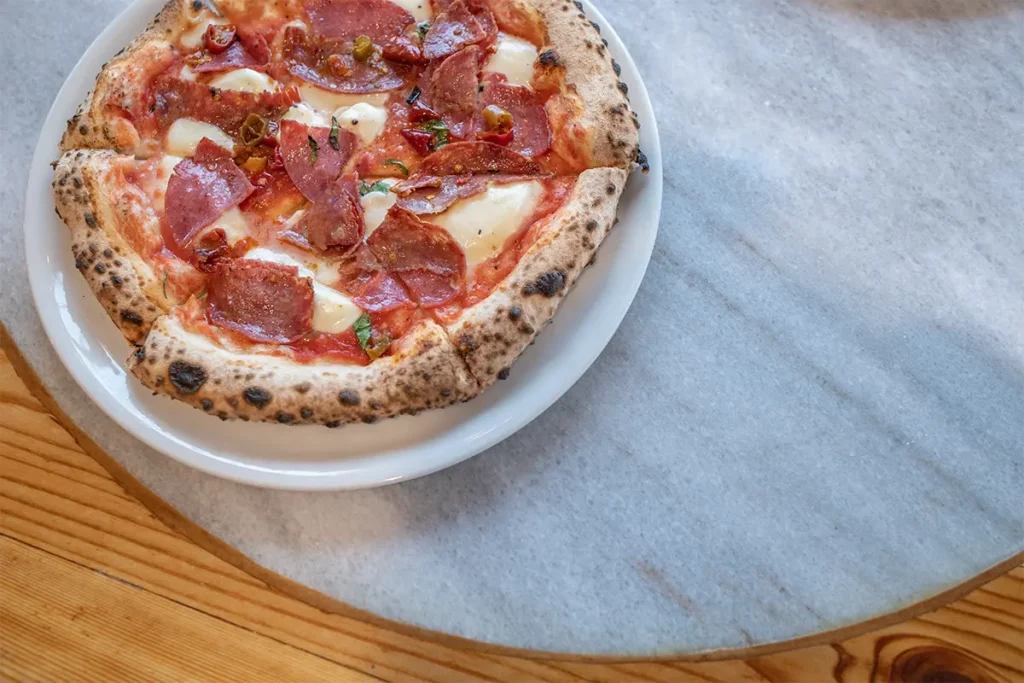
“At Pizza Factory, we’ve learned that the content that connects most with our audience isn’t the most edited, but the most real. Natural day-to-day videos, pizzas fresh out of the oven, the real atmosphere, the kitchen in motion, and authentic Neapolitan pizza are what our customers enjoy the most. Because authenticity can be felt.”
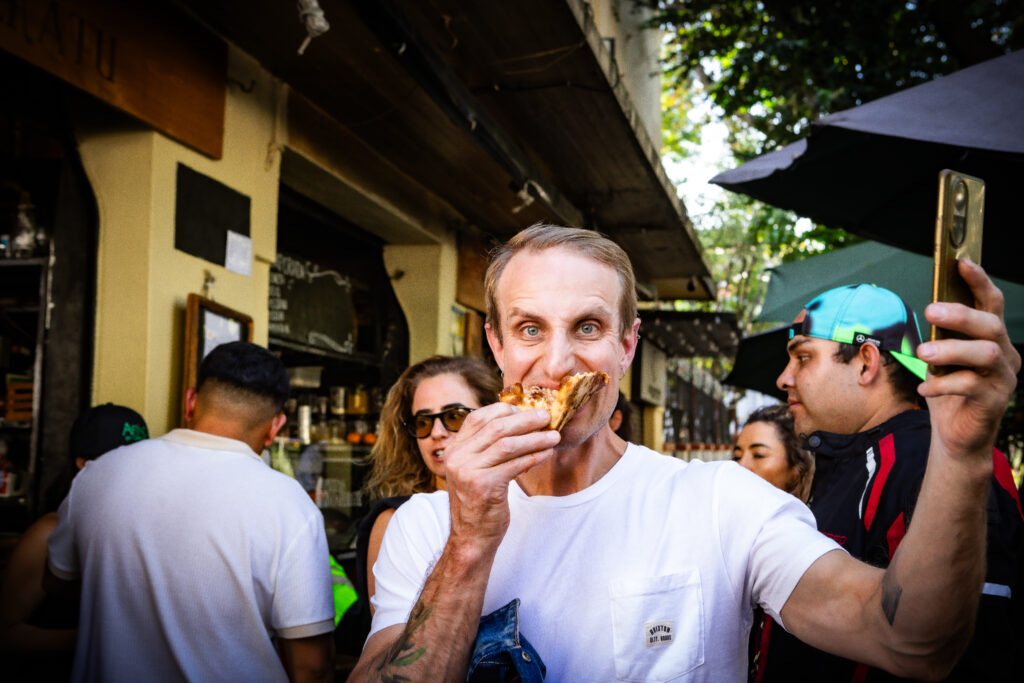
That authenticity is also reflected in the way Antonio creates content for Pizza Factory. A large part of his content does not take place inside the restaurant. Antonio also goes out into the streets of San Miguel to interact directly with people: organizing giveaways, interviewing customers and pedestrians, and asking them in real time what they think about his pizzas or how much they know about pizza culture in their city.
Rather than producing traditional advertisements, his content focuses on creating closeness and turning the pizza experience into a real conversation with his community.
José Antonio Errante from Antoninos Pizza in Caracas, Venezuela, works with a small team that manages his restaurant’s social media. He summarized his strategy in a much simpler and more direct way:
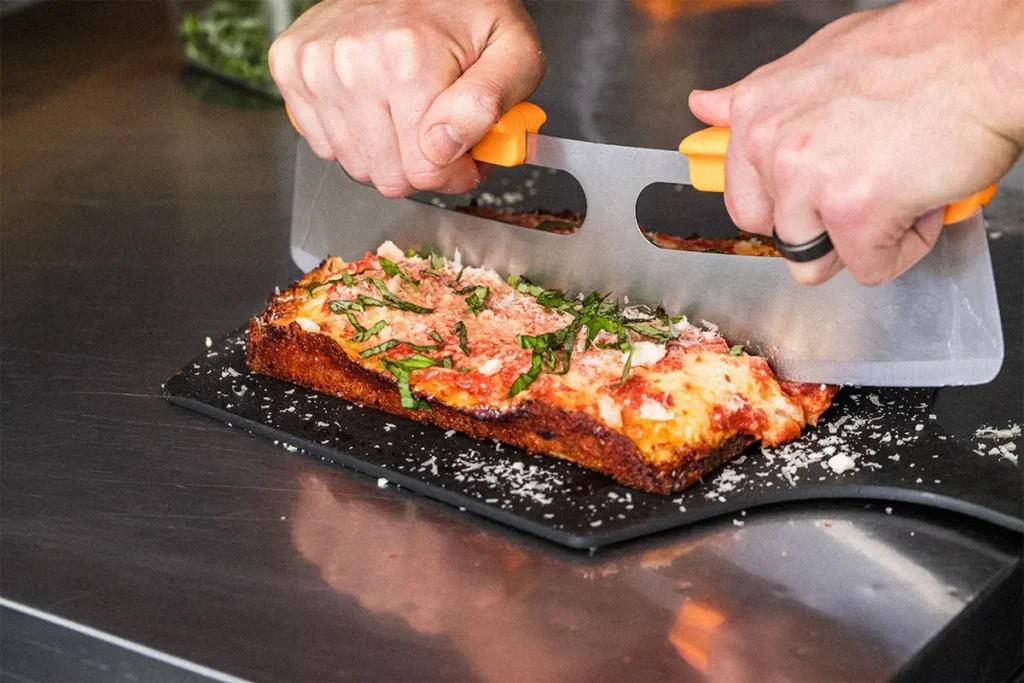
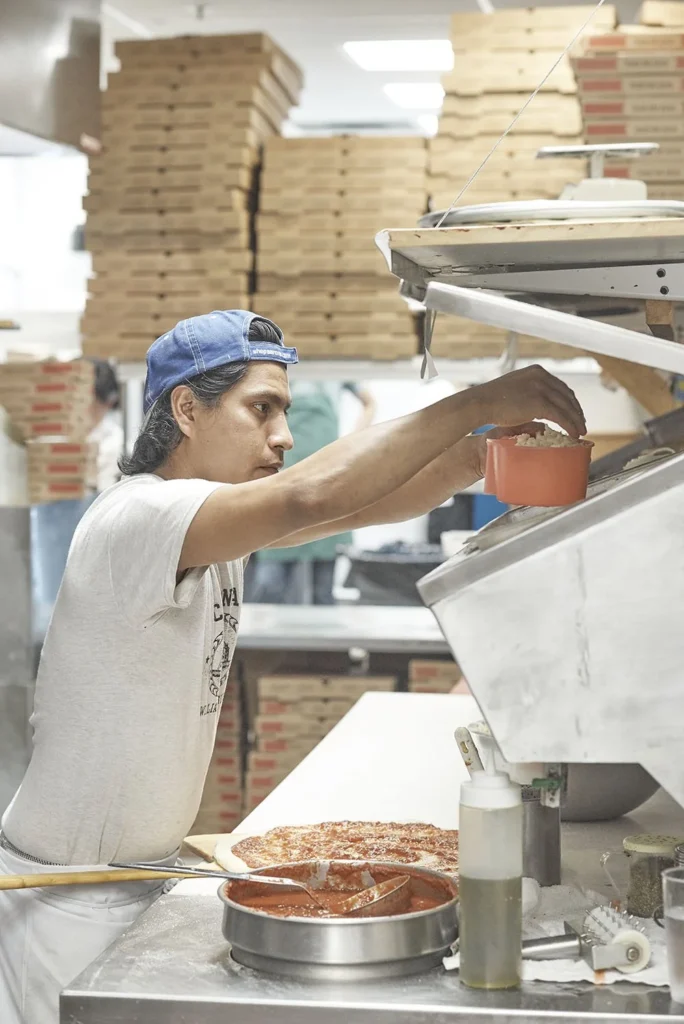
“The content that sells the most is the kind that shows the processes, ingredients, and preparation behind the dishes in our restaurant.”
In the case of Antoninos Pizza, that authenticity is also reflected in the constant display of how their pizzas are made from scratch and the high-quality ingredients that define their Italian approach. Much of their content revolves around process: dough preparation, imported ingredients, traditional techniques, and details that reinforce the identity of the brand.
In Cleveland, Mississippi, Marisol Doyle from Leña Pizza + Bagels also touched on something important: people trust what feels real. Marisol works alongside her husband to handle the photography for their business, and their strategy focuses far more on photography than on constant video production, in addition to maintaining consistent interaction with local businesses and accounts connected to the pizza industry.
Being located in a smaller community, where recommendations and word of mouth spread quickly, clear and visually appealing references play a major role in attracting new customers.
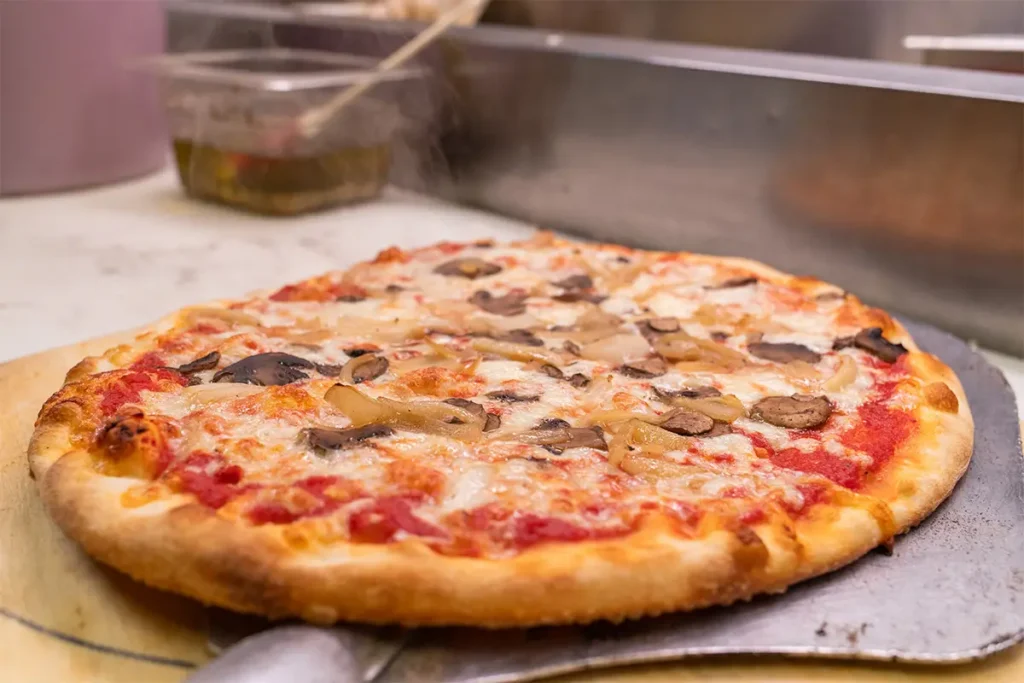
“At Leña Pizza + Bagels, our experience has always been centered around photography for social media, so showing real images of what our pizzas actually look like is what truly attracts customers. Authentic photos, without excessive production, allow people to see the product exactly as it is, which builds trust and not just likes.”
And perhaps that is the most interesting part of this entire conversation.
For years, social media seemed to push restaurants toward an extremely produced version of themselves: perfect videos, flawless lighting, and content designed more to impress the algorithm than to connect with real people.
But many pizzerias seem to be discovering that the opposite is what truly brings customers through the door.
The more human, approachable, and authentic the content feels, the easier it becomes for customers to connect with it. Because today’s consumer no longer just wants to see a beautiful pizza. They want to understand who is making it, how it is made, and whether what they see online actually resembles what they will receive when they walk into the restaurant.
And that completely changes the role of social media.
It is no longer only about selling an aspirational image. It is about building trust.
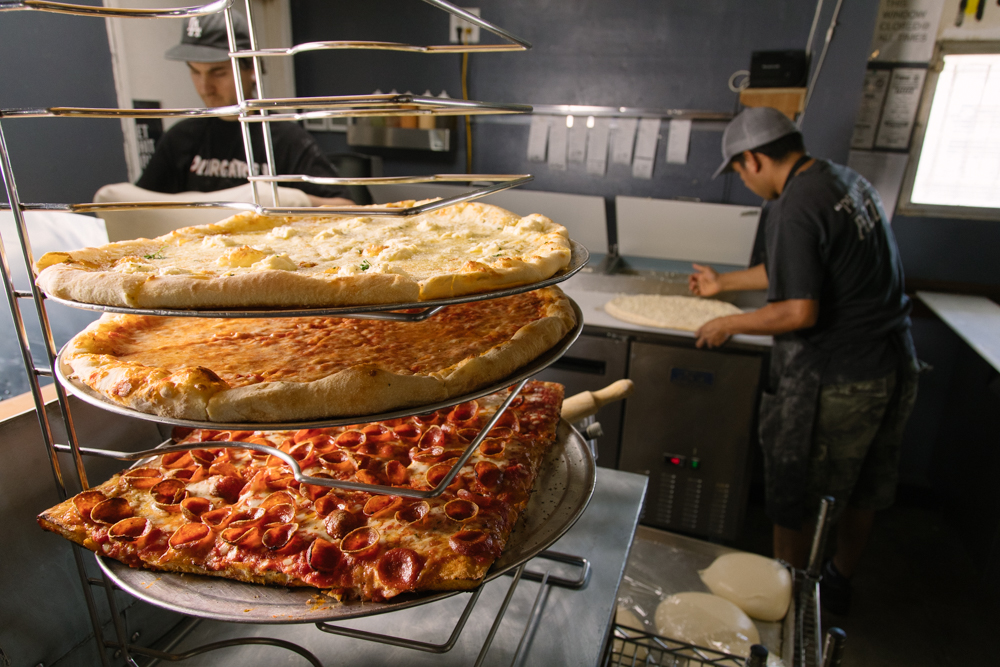
- Showing the dough fermenting
- Hot pizza coming out of the oven
- A busy kitchen in motion
- Real, quality ingredients
- The controlled chaos of a Friday night
But this is only the beginning of the conversation.
In Part 2 of this series, we will explore in greater detail the strategies, formats, and tools pizzerias are using to transform social media into real business growth.
Because perhaps the best marketing for a pizzeria is not about looking perfect.
It is about looking real.